
People Starting A Garden From Scratch
If you are gathering a few neighbors and a vacant lot, this course helps you set up plots, roles, and communication habits before problems appear, rather than fixing them after the fact.
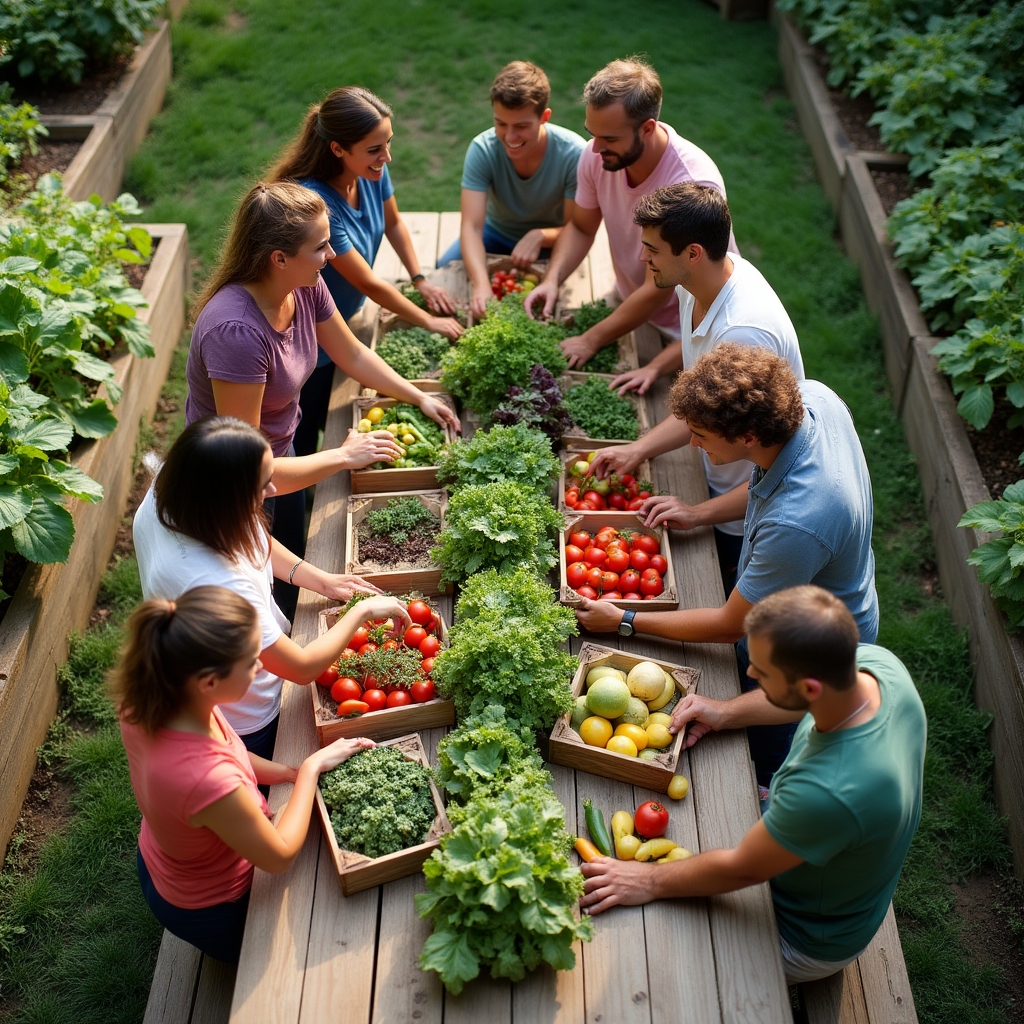
Is this for you?
Different groups arrive at this course from very different starting points. Here is how the material applies to each.
If you are gathering a few neighbors and a vacant lot, this course helps you set up plots, roles, and communication habits before problems appear, rather than fixing them after the fact.
Many groups reach out after a founding organizer steps back and things start slipping. The task distribution and documentation modules are aimed directly at that situation.
Associations managing shared outdoor space between buildings can use the space planning tools to divide plots fairly and the rotation system to spread maintenance work.
Educational gardens face a particular version of the continuity problem: student turnover every year. The handover documentation module was written with exactly that cycle in mind.
People supporting several community gardens across a district can use the templates as a shared framework, making it easier to compare and support projects with a common structure.
Getting a feel for it
Most groups start by walking through the space planning worksheet together, marking out rough plots and shared areas on a simple sketch. New participants are usually introduced through a short orientation covering the tool shed, the task board, and where the current documentation lives.

Being upfront
If your garden already has a clear, working structure and stable participation, some modules may feel introductory rather than new. Groups without any physical space secured yet may also want to confirm access to land before starting the space planning module, since it assumes a site exists to map.
Describe your group's situation and we can suggest where in the course to begin.
Contact Us