
Space Planning
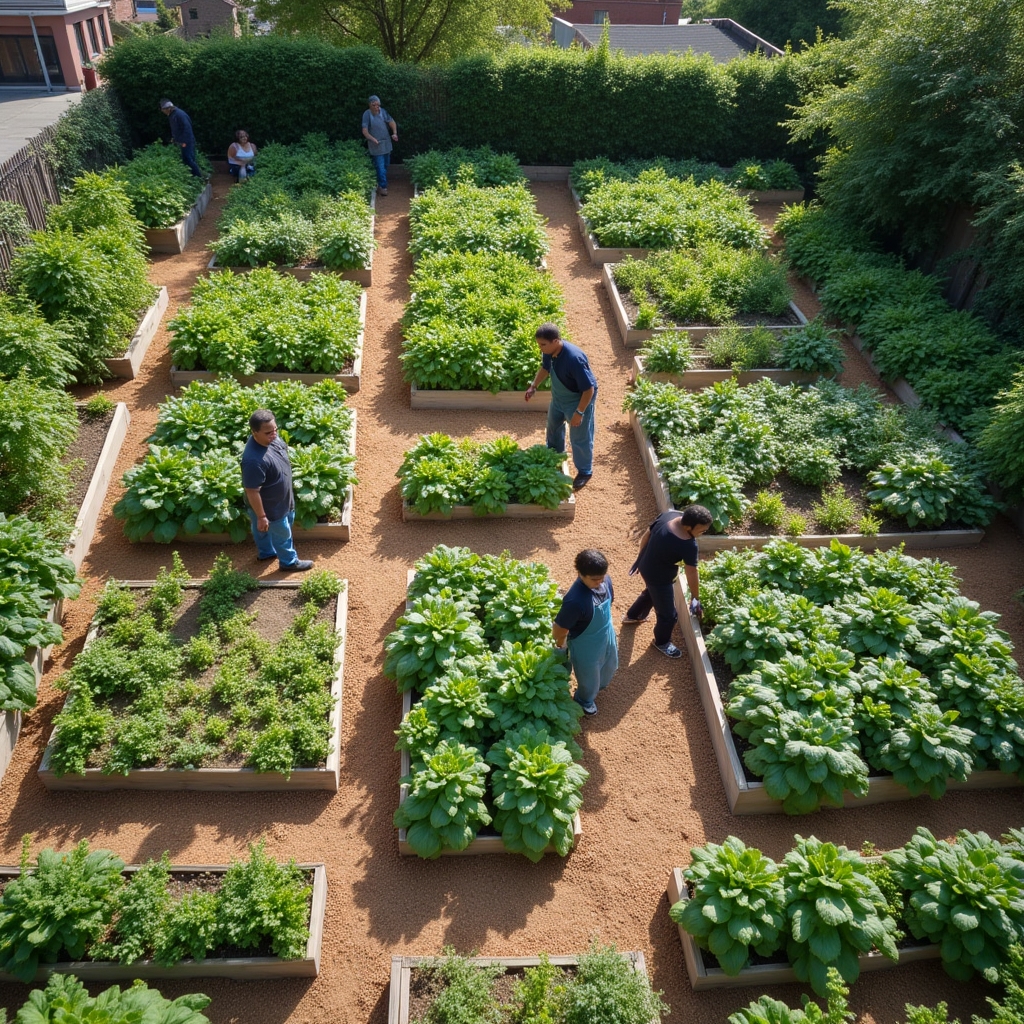
Working out plot sizes, shared paths, water points, tool storage, and communal areas before conflicts over space start.
A course for garden organizers
A practical, structured course for people organizing community gardens and collaborative urban farms. Learn how to lay out shared space, split tasks fairly among participants, and keep the project moving after the founding energy fades.
Why this course exists
A garden can open with dozens of eager hands and still struggle two years later because nobody wrote down who waters on Tuesdays, or because one founder quietly did everything until they moved away. This course addresses those gaps directly: how the physical space is arranged, how work gets divided, and how the project survives changes in who shows up.
Working out plot sizes, shared paths, water points, tool storage, and communal areas before conflicts over space start.
Turning vague goodwill ("I'll help sometimes") into clear, rotating responsibilities that match people's actual availability.
Building documentation and handover habits so the garden does not depend on one person's memory or presence.
Setting up simple, repeatable ways for the group to stay informed without relying on one busy inbox.
A look inside

How the course is built
The modules follow the order most groups actually need, from first walking the site to reviewing what happened at the end of a season.
Assess the space you have: sun exposure, access points, soil condition, and what shared infrastructure is realistic to build.
Decide how beds, tools, and water will be shared before people start planting in ways that are hard to undo.
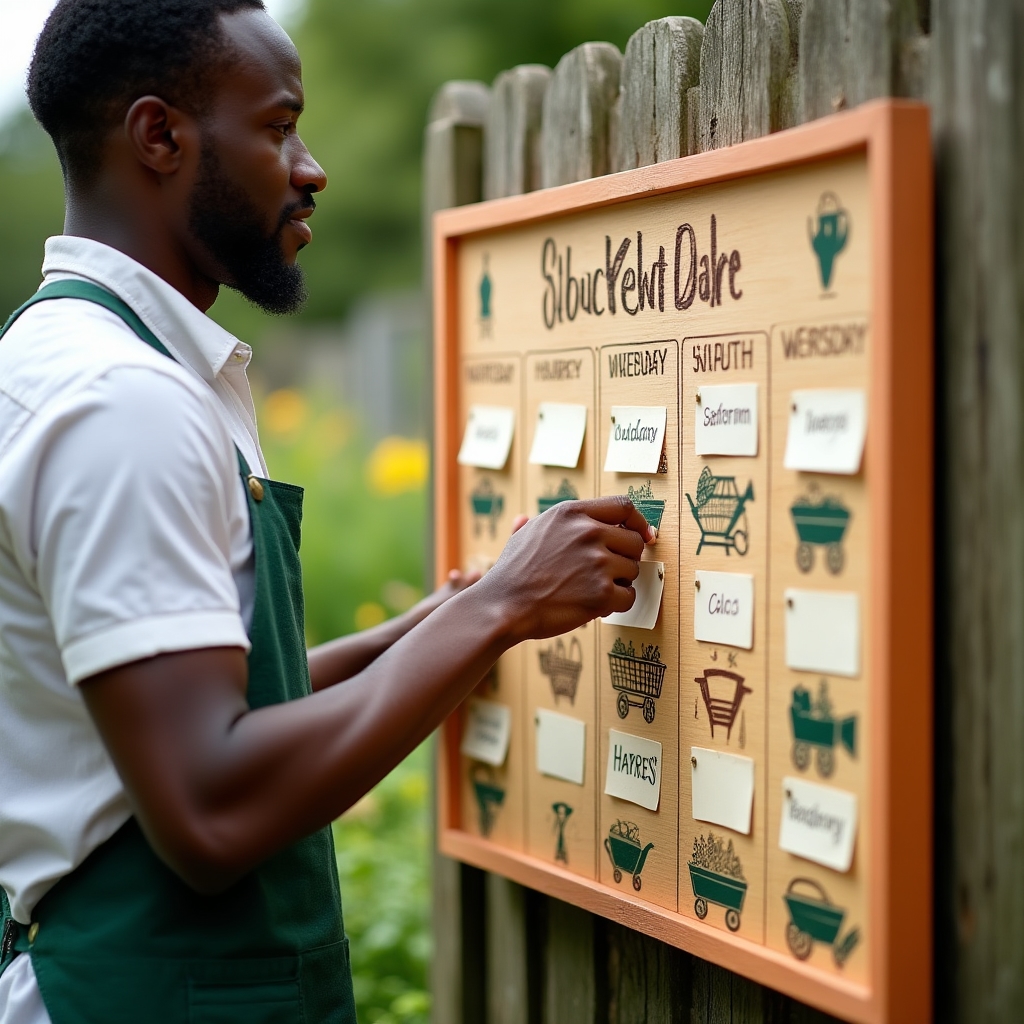
Match tasks to the time and skills people actually have, and write the arrangement down somewhere everyone can see.
Create the handful of documents that let a newcomer understand the garden without asking one specific person.
Set a recurring check-in to adjust plots, roles, and rules as the group and the growing conditions change.
Inside the course
The training is organized into modules you can move through in order or revisit as questions come up in your own garden. Each one includes a short explanation, a worksheet, and a few discussion prompts for your group.
View The Full Curriculum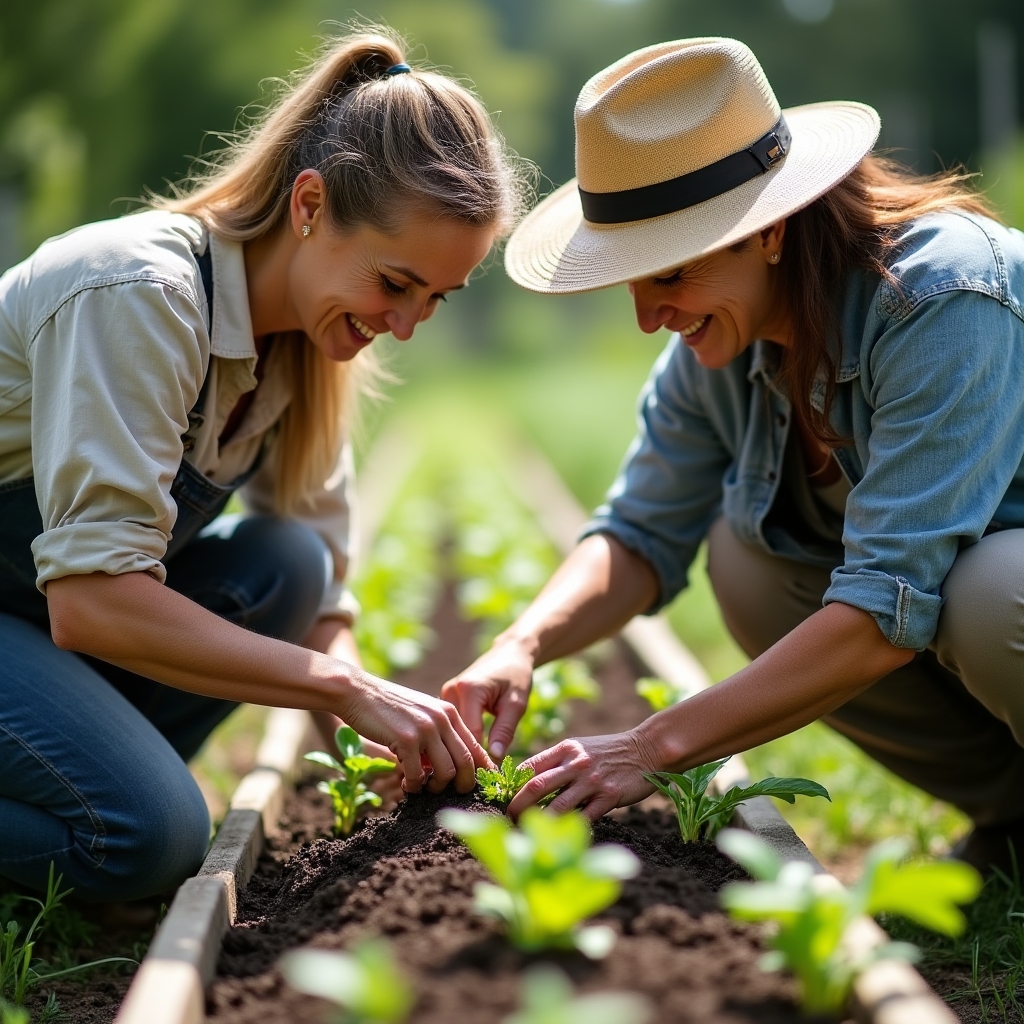
Common questions
No. The course focuses on organizing people and space rather than horticulture itself. Some familiarity with basic growing is useful, but the modules assume you may be learning that alongside your group.
Content is grouped into eight modules you work through at a pace that fits your season and your group's schedule. There is no fixed weekly deadline attached to the material.
Yes. Several modules, particularly on task distribution and documentation, are written with existing gardens in mind, since reorganizing an active project is a common reason people take this course.
The space planning and task rotation ideas scale down. A few of the templates are simplified specifically for small groups that still want to avoid one person carrying every task.
It is a central theme. The continuity module looks specifically at how founder dependence builds up and what documentation and rotation habits can reduce that pressure over time.
No. The material focuses on organizing structures, communication, and space logistics, which apply across different climates. Growing schedules are left for participants to adapt locally.
Send us a note describing your situation and we will get back to you with information relevant to your group.
Contact Us